
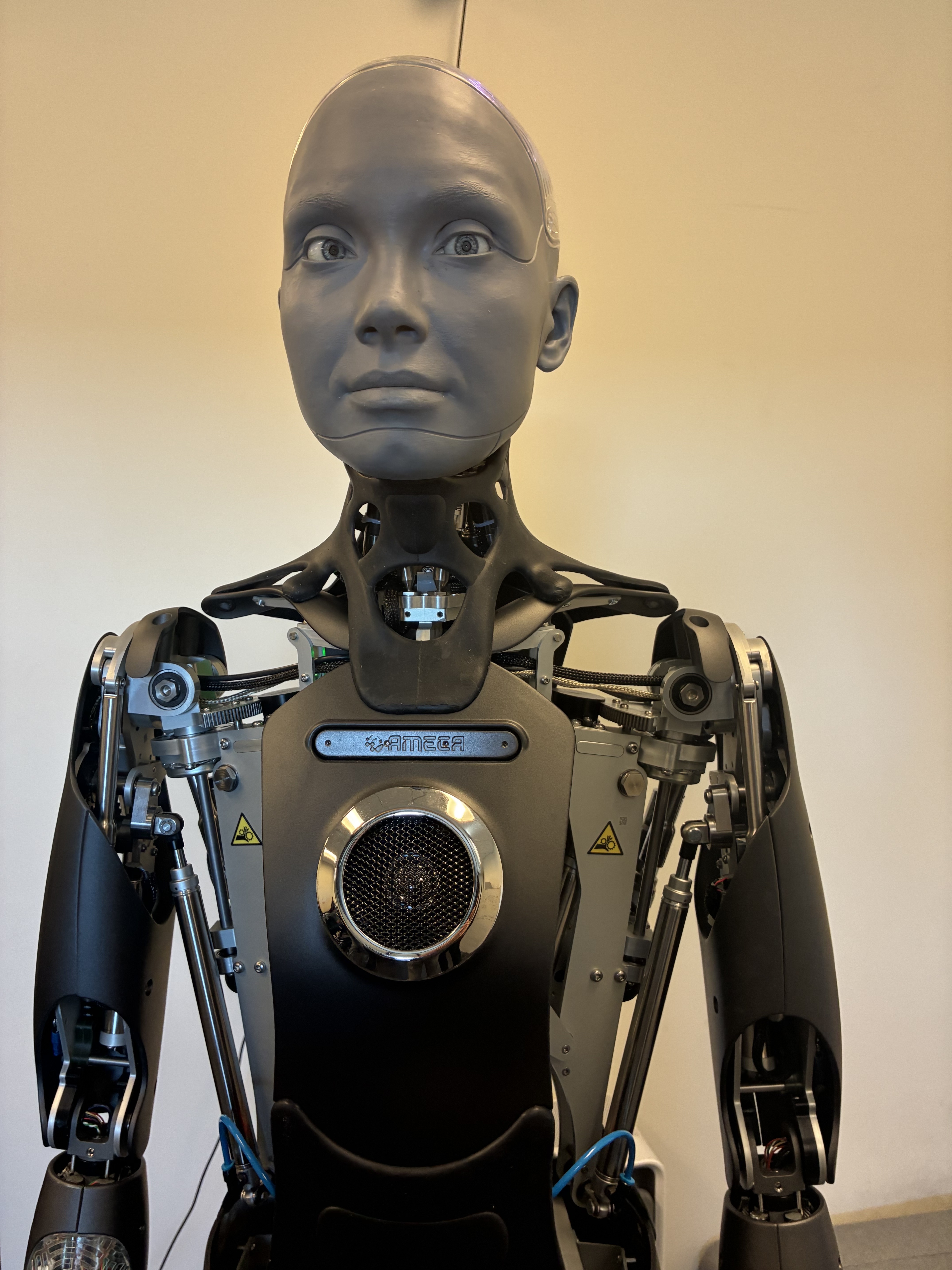
Ameca
Expressive Humanoid Platform
Ameca's articulated face and gestures let us study how human-like expression shapes the trust people extend to a machine.

Human-Robot Interaction focused research lab at UC Merced. We use humanoid robots, virtual reality, and fNIRS neuroimaging to study how people give trust to artificial intelligence, and what it costs when they give too much.
Explore our diverse research initiatives focused on understanding human-AI interactions
Holbrook, C., Krishnamurthy, U., Maglio, P., & Wagner, A. R. (2025). Physical anthropomorphism (but not gender presentation) influences trust in household robots. Computers in Human Behavior: Artificial Humans, 3.
View PublicationHolbrook, C., Holman, D., Clingo, J. & Wagner, A. R. (2024). Overtrust in AI recommendations about whether or not to kill: Evidence from two human-robot interaction studies. Scientific Reports, 14, 19751.
View PublicationYin, Y., Nayyar, M., Holman, D., Lucas, G., Holbrook, C., & Wagner, A. (2024, June 24). Validation and evacuee modeling of virtual robot-guided emergency evacuation experiments. PsyArXiv.
View PublicationTake a look at our state-of-the-art robots and equipment for our ongoing research
Expressive Humanoid Platform
Ameca's articulated face and gestures let us study how human-like expression shapes the trust people extend to a machine.
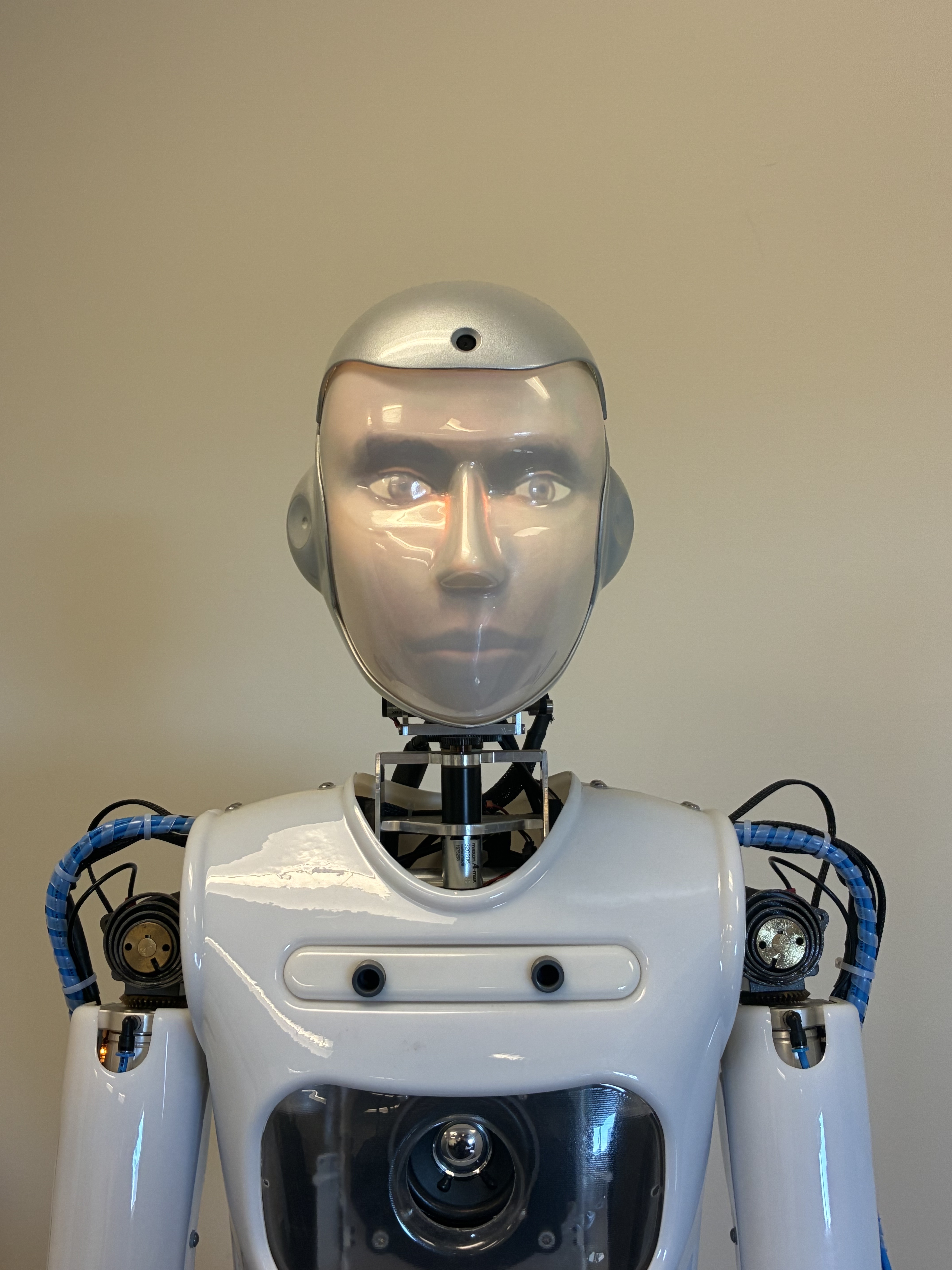
Humanoid Robot Research Platform
RoboThespian is a programmable humanoid robot used in our research to study how humans interact with and trust anthropomorphic AI systems during various scenarios.
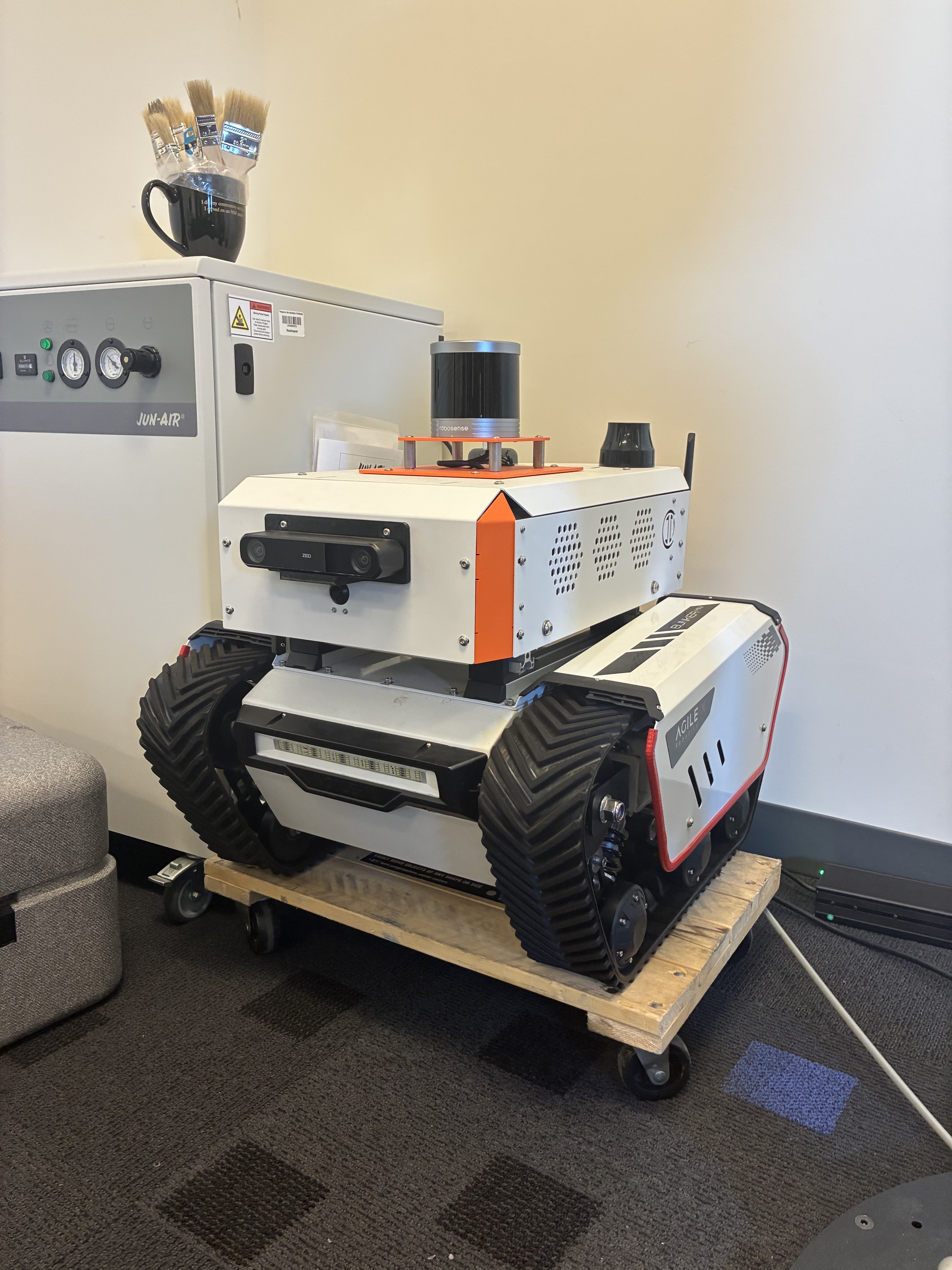
Autonomous Ground Vehicle
The Bunker autonomous ground vehicle allows us to simulate crisis response scenarios and study human trust in AI-powered emergency response systems.
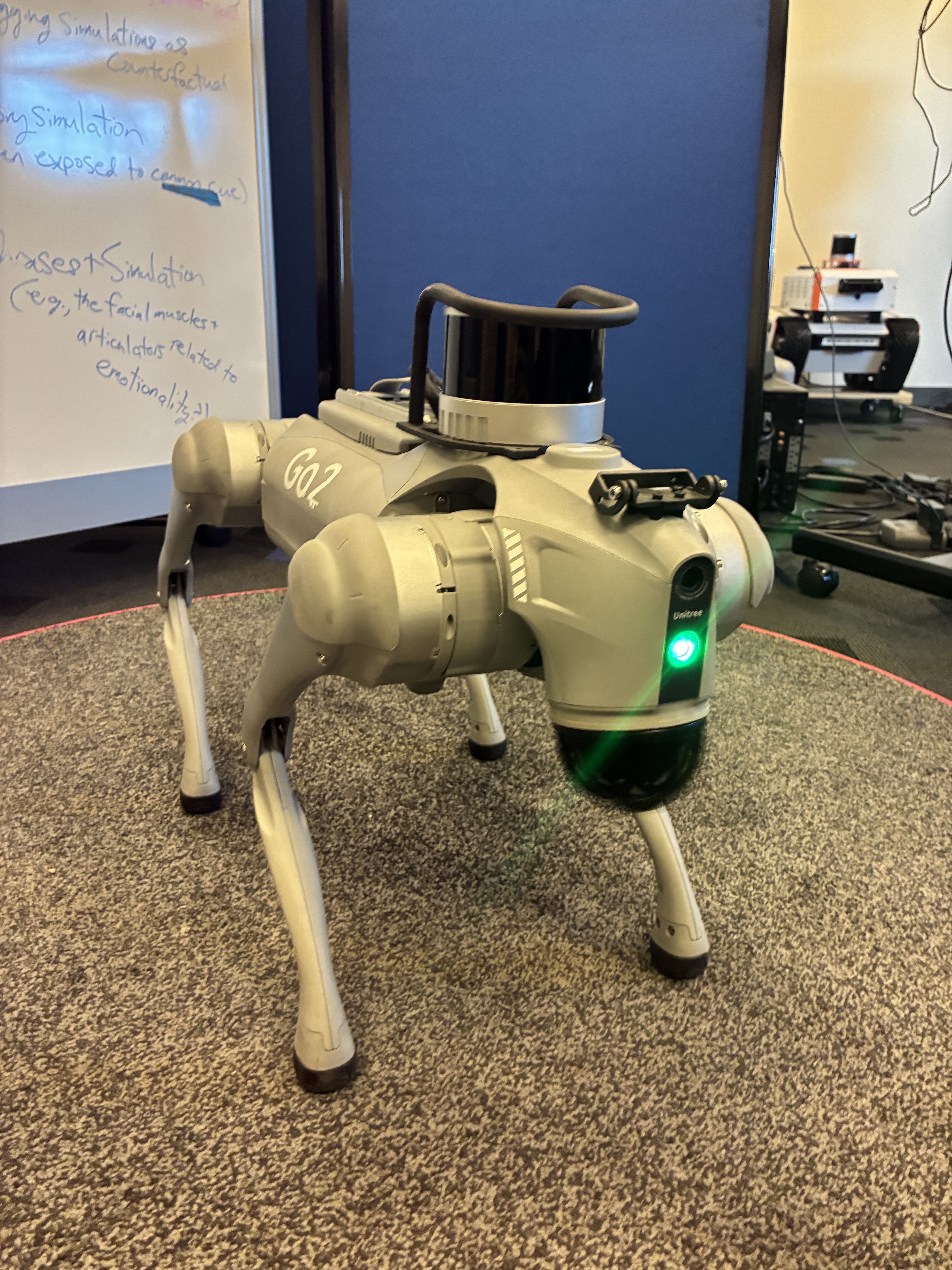
Quadruped Robot Platform
Our Unitree Go2 quadruped robot enables research on human-AI interaction in dynamic environments where mobility and adaptability are critical factors.
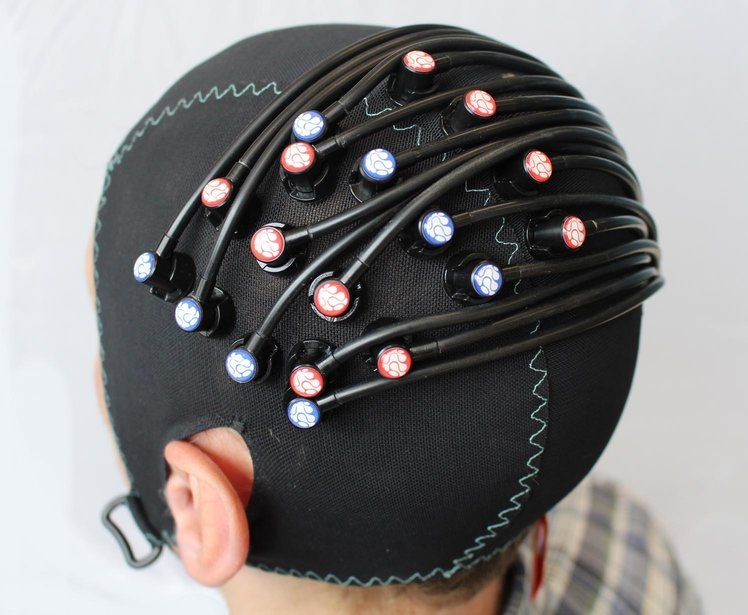
Neural Monitoring Device
The fNIR Cap allows us to monitor neural activity during human-AI interactions, providing valuable insights into cognitive processes and trust formation.